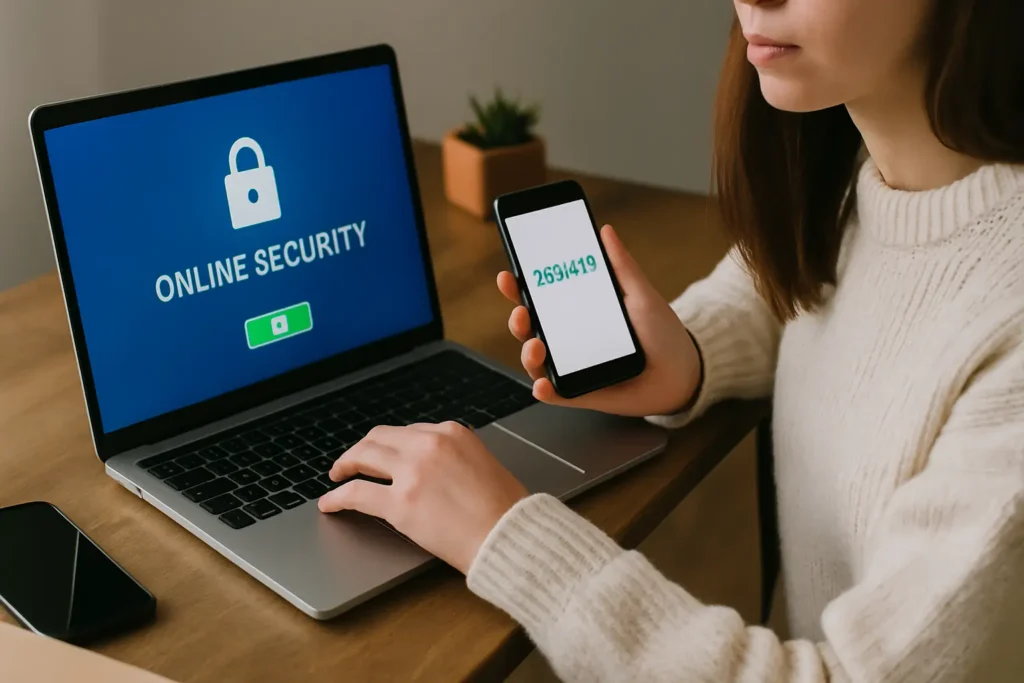
If you’re still typing “P@ssword123” into a login box in 2026, you deserve the identity theft coming your way. While you were busy debating if your AI is sentient, the tech industry finally decided to put the traditional password out of its misery. Welcome to the era of Passkey Hegemony and Behavioral Biometrics.
The Biometric Takeover
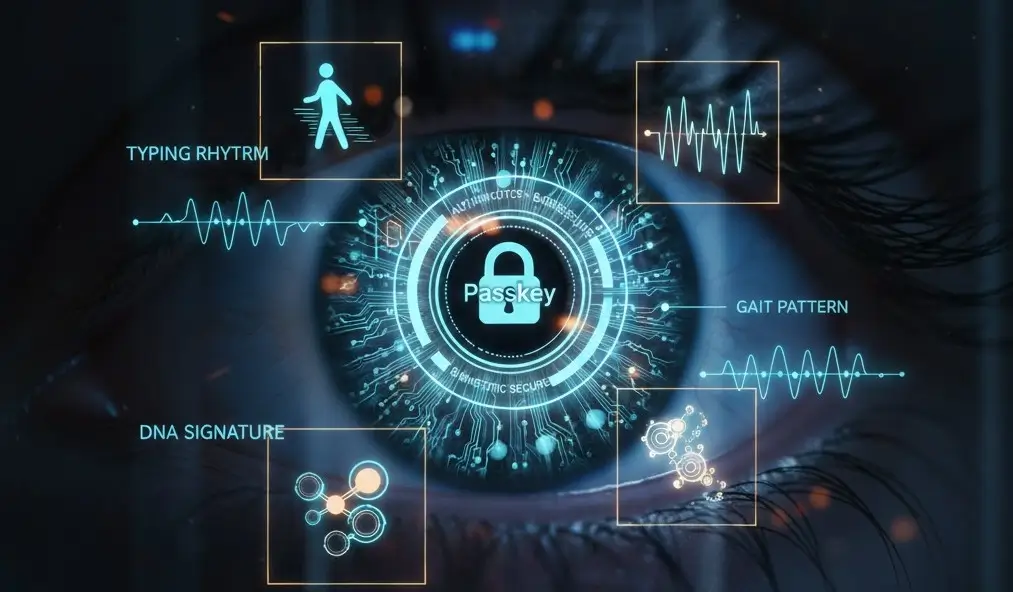
As of February 2026, major players like Apple, Google, and the newly launched Samsung S26 Ultra have moved to “Passkey First” ecosystems. We aren’t just talking about a quick FaceID scan to unlock your phone. We’re talking about Continuous Authentication.
Your devices now track the unique way you scroll, the rhythm of your typing, and even your gait while walking with your phone in your pocket. If the “behavioral signature” doesn’t match, the device locks down instantly. It’s creepy, sure, but it’s the only thing standing between you and a deepfake hacker who just bought your leaked credentials for three dollars on the dark web.
Why Your “Master Password” Is Trash
The problem isn’t just you; it’s the database. In the last six months, “Cookie Theft” and “Session Hijacking” have replaced phishing as the top threat. Hackers don’t want your password anymore; they want the “token” that says you’re already logged in. By moving to hardware-backed passkeys, that token stays on your device’s secure enclave, making it physically impossible to steal remotely.
The Post-Quantum Panic
Why the sudden rush? Two words: Quantum Readiness. With 2026 being the “inflection point” for quantum-resistant cryptography, the old methods of encrypting passwords are becoming as useful as a screen door on a submarine. If your security isn’t tied to a physical biometric key, a quantum computer will crack your 16-character “complex” password in the time it takes you to blink.